
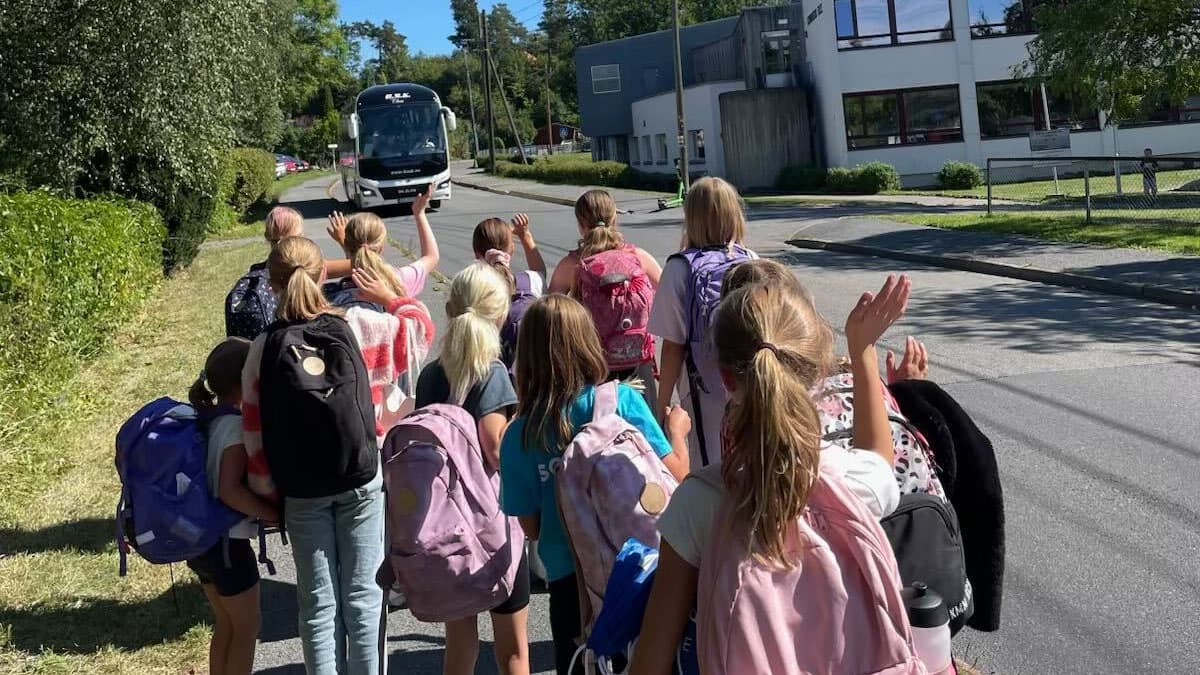
KGB danse & ballet is a strong example of what can happen when a real mobility need is addressed with an intelligent transportation solution. Since August, they have organized shared transportation for children and youth traveling to and from activities using Nimmo. The results are impressive: high vehicle utilization, satisfied parents, and a system that actually works. Completely without public subsidies.
We first came into contact with KGB dans & ballett in 2024. Although Nimmo was not ready to be put into operation at that time, KGB was very clear that they believed in a collaboration. KGB wanted to relieve parents of driving in the afternoon, utilize the dance studio's capacity during a time it was empty, and support calmer evenings for both guardians and children as the recreational activity had already been completed.
With Nimmo, KGB coordinates transportation to and from activities. They collaborate with TK Bussreiser (Kløfta) and Asker Bærum Taxibuss, who pick up and drop off children at various schools in the region. By using Nimmo, the transportation operation becomes structured and predictable. The organization becomes easier for KGB, and parents have full oversight of when the children are picked up and returned. Nimmo's planning tool also helps transportation providers optimize their routes, which is important for delivering efficient shared transportation.
Last year, KGB had 12 children in their after-school program. This semester, the number has increased to 45. Since August, they have conducted 57 individual trips with a total of 882 passenger journeys. This results in an average utilization rate of around 52% of available vehicle capacity over a 3-month period (12 weeks).
When comparing this to traditional public transportation, the difference is striking. It is, of course, not entirely black and white, but it clearly illustrates what shared on-demand transportation can do for vehicle efficiency.
The environmental impact is also remarkable. In KGB's case, children travel an average of 6 km per day. Although this varies somewhat, it provides a realistic basis for comparing shared transportation, carpooling, and individual parental driving.
The cost per child per trip is around 90 kroner – of which 82 kroner goes to the transportation providers and 8 kroner covers the Nimmo license. All without any form of subsidization. KGB is now considering expanding the program to more days a week, which is fantastic.
But the benefits go far beyond utilization, emissions, and costs.
If parents had to drive their children individually, it would result in:
more cars on the road during the afternoon rush
increased logistical pressure on parents during working hours
less predictability for the activities
fewer children able to participate in dance classes
By providing transportation, KGB gives more children the opportunity to participate, regardless of parents' working hours, access to a car, or capacity to drive. This creates:
increased recruitment to dance and cultural activities
more consistent attendance throughout the year
stronger ties to sports and culture in the region
greater activity, which has positive ripple effects for the municipality and local community
Funding is often a challenge for cultural organizations, sports clubs, and other groups wishing to provide transportation. But for KGB, this arrangement means they can plan more effectively, develop safe children, and include children who would otherwise be excluded. For families, it means less stress and more opportunities. For the children, it means social development, the chance to be active, a sense of belonging, and room to grow.